In 2026, How Many Publications for Residency? (By Specialty)
How many publications do you need for residency? See 2026 research item averages by specialty and how they’ve changed since 2020.


I was dead wrong about my specialty choice, and here’s how you can avoid the same mistake.
I walked into medical school certain I’d become a pediatric gastroenterologist. I was diagnosed with ulcerative colitis at 18. If it caused me that much pain as a young adult, I figured kids with the same condition must have it worse. I wanted to help them see their illness didn’t have to hold them back.
But here’s what I didn’t expect: in pediatrics, the parents are also your patients, often anxious, stressed, and scared. Add to that children in severe pain who dread seeing you, and I quickly realized this wasn’t the day-to-day I wanted. And beyond that, the procedures lacked the technical depth and variety I craved—nothing like the challenging, hands-on work I later found in surgery.
So I switched to plastic surgery—a completely different path. And I’m far from alone. Most premed and medical students think they’ve locked in their specialty on day one, but the numbers tell a different story.
Data from a 2024 survey of nearly 13,000 students reveals something shocking. Only 28% of students stuck to the same specialty preference from the time they entered medical school to the time they graduated.
52% reported a completely different specialty. Another 20% were undecided or gave no response when they first started medical school.
Do the math: 72% of medical students either changed their minds or weren’t sure to begin with. That’s nearly 3 in 4 students.

Your specialty choice affects everything. Your lifestyle, salary, training length, where you can live, and your daily satisfaction as a physician. Getting this wrong has massive, decades-long consequences.
So, which specialties are students most certain about? Let’s start with the students who stayed loyal to the soil.
Coming in fifth with a 43.0% switch rate is pediatrics. This is likely because students who want to work with children typically already have extensive experience doing so, unlike me, often gained through early exposure within their families, babysitting, or volunteering.
But pediatrics is uniquely challenging. You’re working with both sick children and their stressed-out, completely vulnerable parents. Instead of dealing with one patient, you’re dealing with two or three, and everyone’s anxiety is through the roof.
This is why pediatric clinical rotations inspire few converts. If you don’t have a particular affinity for working with children, it could send you running for the hills.
Most students already understand the differences between working with adults and children. But there are always exceptions like me. I thought pediatric gastroenterology was my calling… until I experienced it firsthand. The reality of pediatrics didn’t match the vision in my head. Back then, our Day in the Life and So You Want to Be series didn’t exist to break down the pros and cons of each specialty with real doctors who’ve lived it. That’s exactly why we created them—to help you see the reality before you commit to a specialty that isn’t the right fit.
Fourth is neurosurgery with a 43.3% switch rate. Despite being extremely demanding, it attracts only the most committed students.
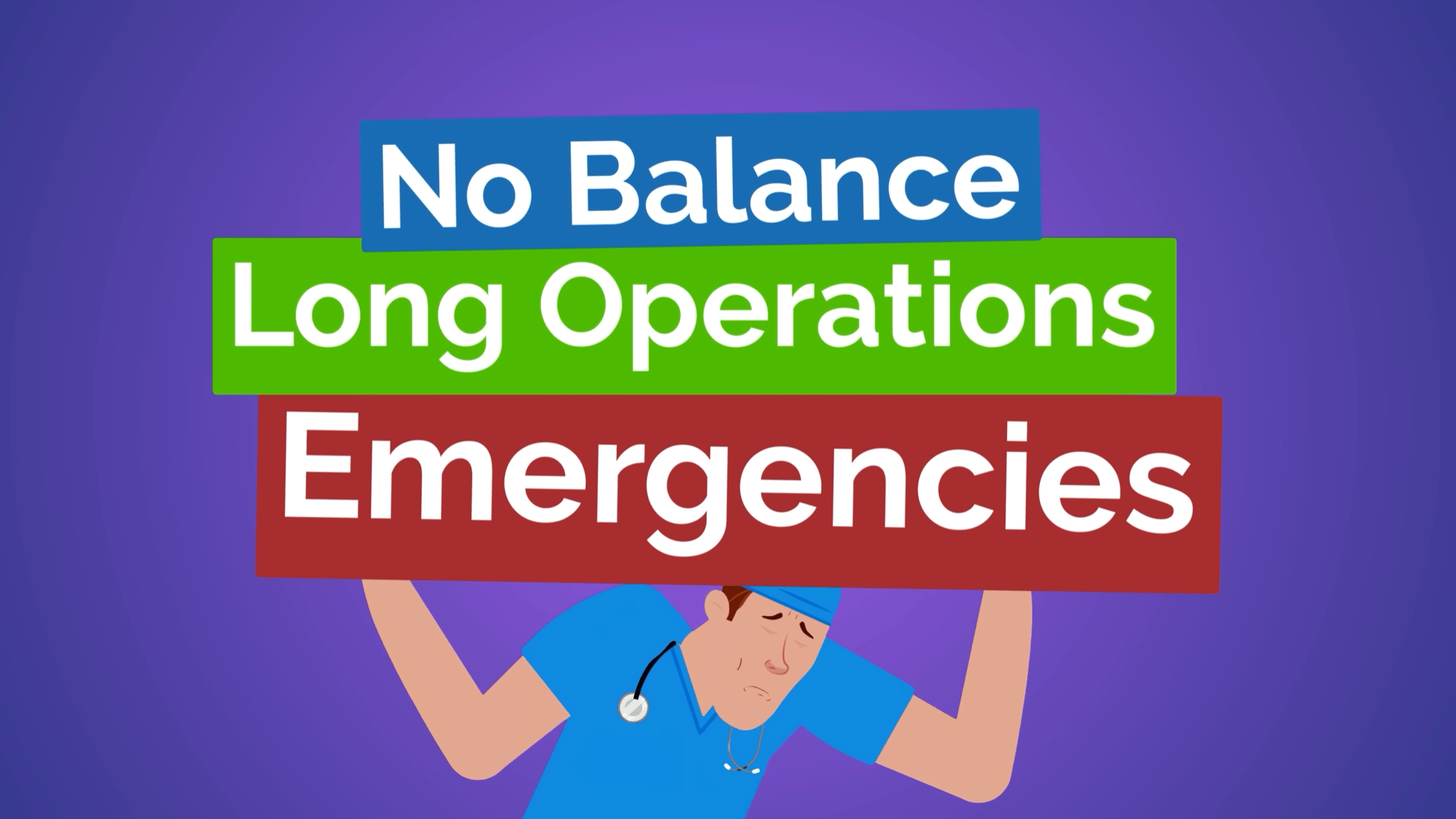
Those who pursue neurosurgery know precisely what they’re signing up for, which includes 7 years of residency after med school, the longest of any specialty. They understand the lifestyle sacrifice and the intense training required to master one of medicine’s most challenging specialties.
Third is emergency medicine at 40.7%. Most students with EM in mind have a basic understanding of what emergency medicine entails, often influenced by TV shows, movies, and personal experiences in the emergency department.
Fortunately, you can get EMT training beforehand to gain real exposure to the fast-paced environment. Emergency medicine attracts a specific personality type—adrenaline junkies who thrive in high-stress, rapid-decision situations. The people typically understand this about themselves, and it’s what they find so attractive about emergency medicine.
If emergency medicine switches from a three-year to a four-year residency, it will be interesting to see if this data shifts in the years to come. We covered this and other major changes to emergency medicine residency in a previous guide.
Second is dermatology with a 40.1% switch rate. Students are often drawn to dermatology because of their own personal skin issues and want to help others facing similar challenges. The lifestyle appeal is well-known and consistent, with a great work-life balance, few emergencies, and high income.
The specialty with the lowest switch rate is orthopedic surgery at just 30.1%. But why are students so confident about orthopedics?

Many may make this decision before medical school through sports medicine connections. You can also get early exposure to ortho through EMT work. If you’ve been injured playing sports or worked as an athletic trainer, you have a decent idea of what orthopedic surgeons do. Plus, it’s not hard to get your head around what the specialty entails—bones, joints, and athletic injuries.
It appeals to students who like immediate, tangible results and working with their hands.
It’s also one of the highest-paid specialties, with a strong team culture.
Before we get into the highest switch rates, what can you do to help figure out the ideal specialty path?
There’s absolutely nothing wrong with switching and changing your mind in medical school. In fact, it’s a good sign. It points to a continuous learning, adaptable mindset. It shows you’ve taken the time to reflect on what you’ve learned about medicine and yourself so that you can determine the best career path for you.
It’s after you start preparing for residency applications that switching gets complicated.

Our “So You Want to Be” playlist breaks down every specialty with insights from experts who’ve already walked that path. We also have Career Battle videos comparing similar specialties head-to-head. These resources are developed in collaboration with doctors and specialists practicing in their respective fields, who understand what the career path is actually like and how to achieve it.
But what else can you do?
Shadow early and broadly. Don’t just shadow to confirm your bias—use these opportunities to explore fields you might not have considered. Get clinical exposure before medical school through volunteering, EMT training, scribing, and clinical opportunities.
Pay attention to the day-to-day reality, not just the highlight reel of unique cases. Ask specific questions about what a typical week looks like, what the most challenging parts of the job are, and what aspects physicians find most rewarding.
Use medical school rotations to genuinely explore and learn—don’t look at them as mere boxes to check. Go into each rotation with an open mind, even if you think you’re not interested in that specialty.
Think you know which specialty is the one for you? We created a specialty quiz that analyzes your personality and affinity for each specialty based on nine core traits:
It’s not a perfect science, and it never can be since humans are deeply complex, but it provides guidance based on who you are, where your interests lie, and which career will make you happy in the long term. This tool is absolutely free and available at specialtyquiz.com.
Now let’s look at the flip side—the specialties with the highest switch rates.
First up, with the fifth-highest switch rate, is child neurology at 68.7%. This is a highly specialized field with limited exposure before medical school.
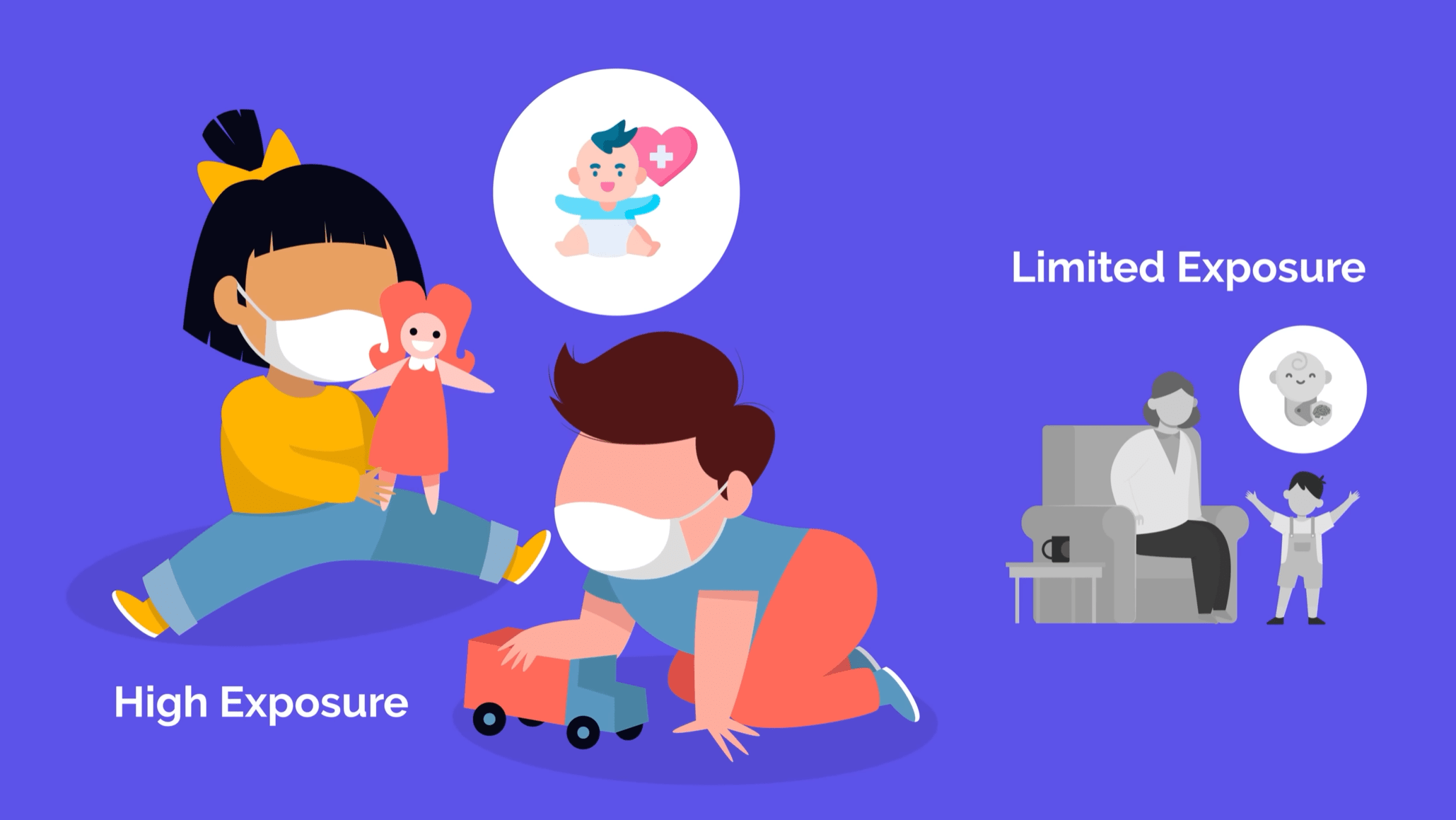
Most students discover it during neurology rotations when they realize it combines their interest in neuroscience with pediatric care.
Next is preventive medicine, at 71.4%. Despite being a recognized specialty since 1954, many students are unaware of its existence.
There are only 67 residency programs nationwide with minimal medical school exposure. Students often discover it during public health rotations, population health experiences, or while earning an MPH during medical school.
It appeals to those wanting broader health impact beyond individual patients, focusing on disease prevention and population health management.
The third-highest is internal medicine and pediatrics, also known as med-peds, at 72.2%. This combined program is something many discover later on in medical school.
Students often start thinking they want to specialize in pure pediatrics or internal medicine, but then realize they can pursue both through this combined residency track.
Second-highest is vascular surgery at 74.6%. Most students entering medical school have never heard of vascular surgery.
This is because it’s such a specialized field that there are limited opportunities for early exposure. Students typically discover it during surgery rotations and are drawn to the technical precision and variety of procedures involving arteries, veins, and the lymphatic system.
And the specialty with the highest switch rate? It’s medical genetics, at 75%. This physician path is extremely specialized, with a very low number of respondents on the graduation survey.
Similarly to vascular surgery, most premeds are unaware that medical genetics exists. Students often discover it through research experiences or by encountering specific patient cases involving rare diseases.
Another possible contributing factor could be that genetics is the lowest-paid of any non-pediatric medical specialty in the US, at around $245,000 a year. It appeals to those interested in precision medicine and complex genetic conditions.

However, as students learn more about other specialties in medicine, they may be swayed by the hundreds of thousands more they could be making every year in other specialties.
Medical school is designed for exploration and discovery. Rotations exist specifically to expose students to different fields they might never have considered.
Changing your mind is healthy. It means making better, informed decisions rather than sticking with your original specialty out of some misplaced sense of loyalty or sunk-cost fallacy.

How many publications do you need for residency? See 2026 research item averages by specialty and how they’ve changed since 2020.

Dermatologist vs Plastic Surgeon: Which is the best career path for you? We break down compensation, lifestyle, training, and the pros and cons of each career.