In 2026, How Many Publications for Residency? (By Specialty)
How many publications do you need for residency? See 2026 research item averages by specialty and how they’ve changed since 2020.

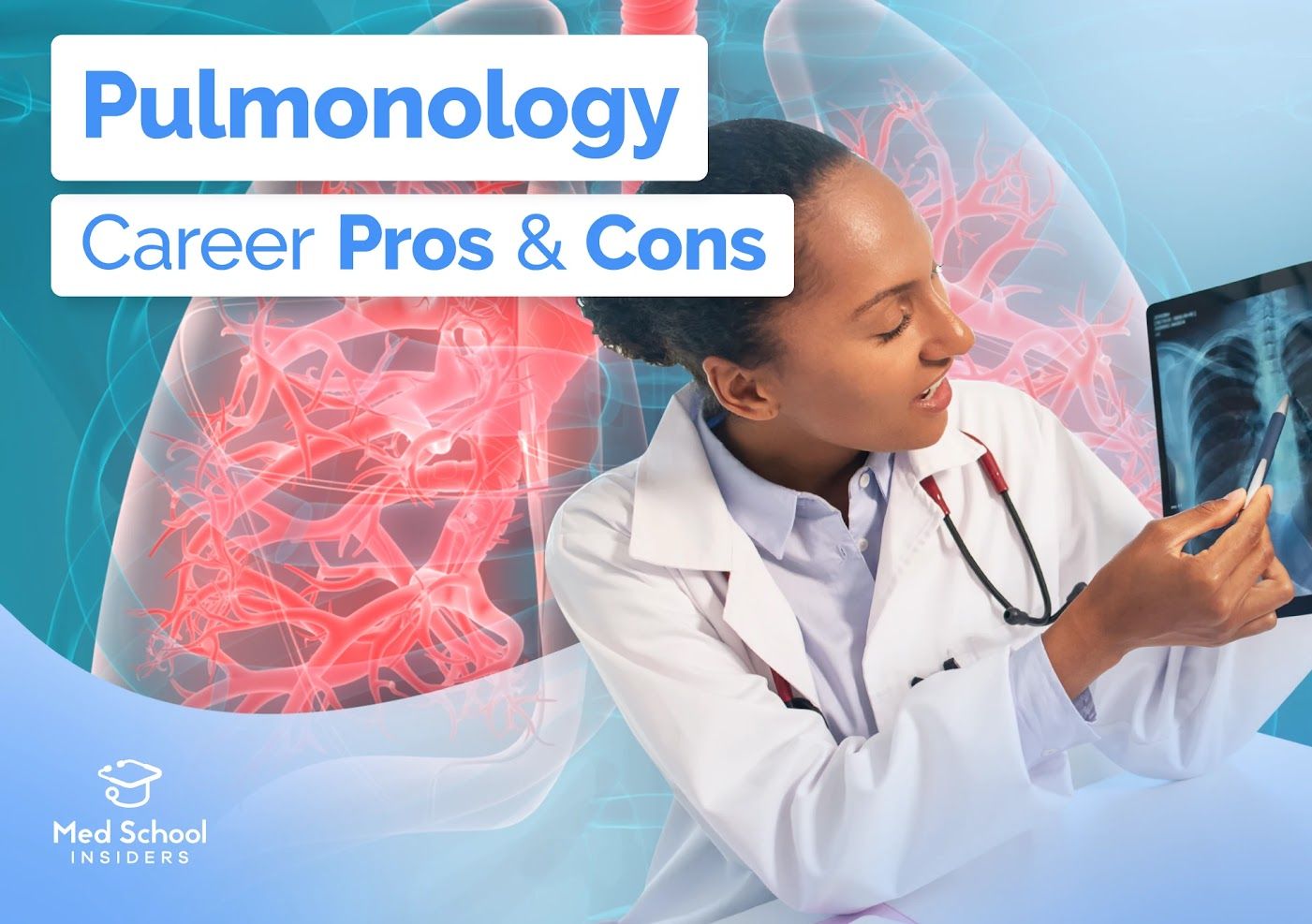
Pulmonology is one of the most intellectually demanding subspecialties in internal medicine. You are managing complex respiratory diseases, running ICUs, and making life-or-death decisions daily. It is meaningful, high-stakes medicine.
But it is not for everyone.
If you are considering pulmonology, more specifically, pulmonary and critical care medicine, you need to understand what you are signing up for. Not the romanticized version. The real one.
Here is an honest breakdown of the pros and cons to help you decide whether this specialty aligns with your goals, personality, and the life you want to build.
Before diving into pros and cons, let’s clarify what pulmonology actually looks like in practice.
Pulmonology is a subspecialty of internal medicine focused on lung and respiratory diseases such as COPD, asthma, interstitial lung disease, pulmonary hypertension, lung cancer, and respiratory failure.
Here is the key detail many people miss: most pulmonologists are dual-trained in pulmonary medicine and critical care. That means you are not just seeing outpatients with chronic lung conditions. You are also running the medical ICU, managing ventilators, and caring for some of the sickest patients in the hospital.
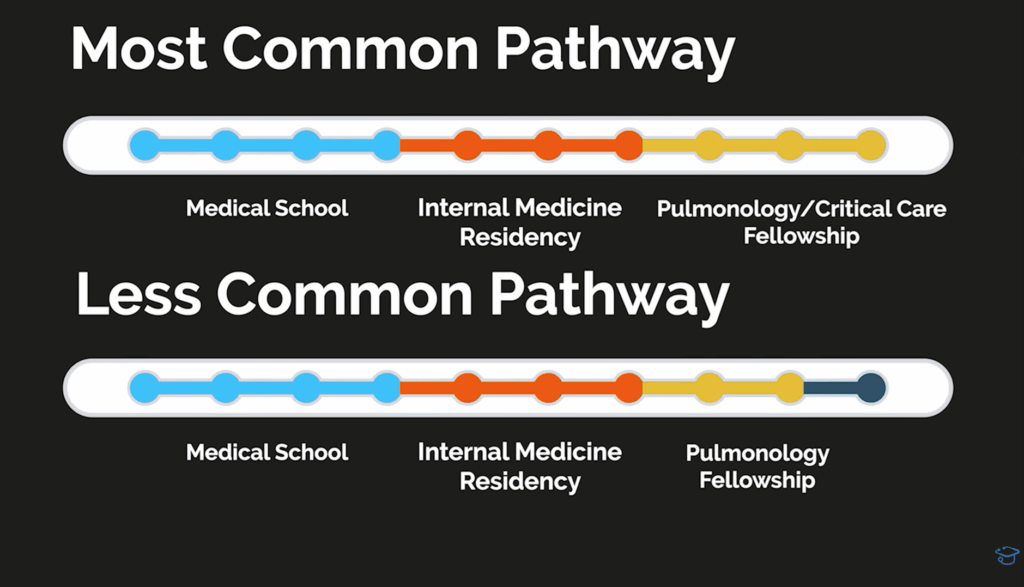
The training pathway reflects this dual focus. You have four years of medical school, three years of internal medicine residency, and three years of pulmonary and critical care fellowship. That’s a minimum of ten years.
You can add interventional pulmonology or sleep medicine for an additional year if you want further subspecialization.
This dual training gives pulmonology its unique character. Some weeks, you are in clinic managing outpatients with asthma. The next week, you are working 12-hour ICU shifts with critically ill patients on ventilators.
That reality matters when you think about long-term fit.
Respiratory physiology is nuanced and intellectually demanding. Diagnosing shortness of breath is rarely straightforward. It requires synthesizing imaging, labs, pulmonary function tests, and clinical context.
The field rewards careful thinking and pattern recognition. Pulmonologists who excel at this are genuinely impressive clinicians.
If you love solving diagnostic puzzles and piecing together complex cases, pulmonology consistently delivers that challenge.
Caring for critically ill patients can be deeply meaningful. When you stabilize someone in the ICU, the impact is immediate and tangible.
Managing ventilators, treating respiratory failure, and stabilizing patients with ARDS is high-stakes medicine. For the right person, that intensity is energizing rather than draining.
Pulmonology is more hands-on than most internal medicine subspecialties.
You may perform bronchoscopies, endobronchial ultrasound, thoracenteses, and chest tube placements.
For those who want even more procedural work, interventional pulmonology is a rapidly growing field that includes navigational bronchoscopy, airway stenting, and lung volume reduction procedures.
If you are drawn to internal medicine but want more than purely cognitive work, pulmonology offers that balance.
Pulmonology offers a mix of inpatient consults, outpatient clinics, and ICU work. You can shape your career toward:
You are not locked into a single work environment, which gives you options as your priorities evolve over time.
If you want a deeper look at day-to-day life in this field, review our So You Want to Be a Pulmonologist guide for a full breakdown.
The job market for pulmonologists is excellent and projected to remain strong.
According to Medscape’s 2024 Physician Compensation Report, average compensation for pulmonologists is approximately $397,000 annually, with a broad range depending on location, practice type, and subspecialization.
Aging workforce data and workforce analyses suggest a growing shortage of pulmonologists as a significant portion of the current workforce approaches retirement.
This translates to meaningful job security and negotiating leverage in many markets.
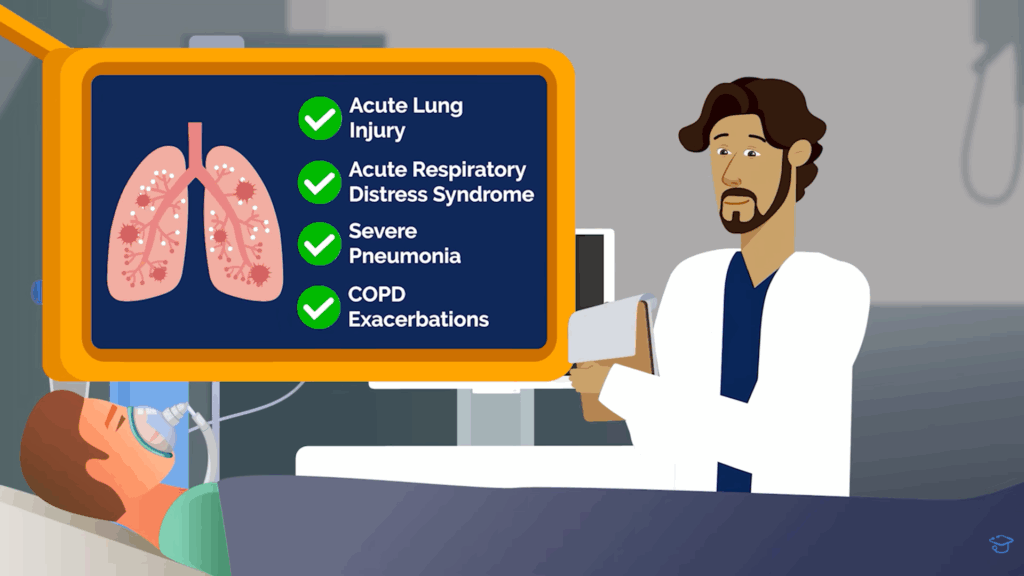
Here is the reality check many students underestimate: if you go into pulmonary and critical care, you will spend significant time in the ICU. Especially early in your career.
The ICU is not optional. It is core to the specialty.
This environment is high intensity, emotionally heavy, and cognitively exhausting. Some physicians thrive in it. Others tolerate it. Some burn out.
If you do not genuinely love ICU medicine, not just tolerate it but love it, pulmonology may be a difficult long-term fit.
Burnout data is sobering. The Medscape 2024 Physician Burnout and Depression Report shows that approximately half of pulmonologists report burnout, and critical care remains among the higher burnout specialties.
Common drivers include:
This does not mean you will burn out. But it does mean you need to be proactive about sustainability and practice structure.
Pulmonology has procedures, but it is not a procedural specialty in the way surgery or interventional cardiology are.
The foundation is still diagnostic thinking, medical management, patient counseling, and extensive rounding. Procedures supplement the practice. They do not dominate it.
If you are drawn to pulmonology because you think it is the surgical version of internal medicine, reconsider. It is internal medicine with procedures. That distinction matters.
Lifestyle varies dramatically based on setting.
In a large academic center with strong coverage, schedules can be manageable. In smaller hospitals with fewer partners, call frequency and ICU responsibilities can increase substantially.
Even the popular 7 on, 7 off ICU model comes with a tradeoff. Those seven days often involve 10 to 12-hour shifts with significant cognitive and emotional load. End-of-life discussions and high acuity decision-making are routine.
Before committing, understand the specific practice model you are targeting and whether it aligns with the life you want to build.
Pulmonology requires at least 10 years of training after college:
Add additional subspecialization, and you are looking at 11 to 12 years total.
That is real opportunity cost, financially and personally. For physicians who are deeply aligned with the field, it is worth it. For those who are uncertain, the length of training magnifies the consequences of a misaligned decision.
Pulmonology may be a strong fit if you:
Think carefully if you:
If you are still exploring specialty fit, take our free Specialty Quiz to better understand which fields align with your interests and long-term goals.
Pulmonology is a vital specialty. The work is intellectually demanding, the job market is strong, and the impact on patients’ lives is real.
But it requires honest self-assessment. The ICU commitment is substantial. Burnout risk is meaningful. And at its core, it remains an internal medicine specialty.
If you are seriously considering pulmonology, spend significant time in the ICU and ask yourself one direct question:
Do I love this, or am I just okay with it?
Your answer to that question matters more than compensation numbers or prestige ever will.

How many publications do you need for residency? See 2026 research item averages by specialty and how they’ve changed since 2020.

Dermatologist vs Plastic Surgeon: Which is the best career path for you? We break down compensation, lifestyle, training, and the pros and cons of each career.