
Should You Apply to BS/MD Programs? (Who Should Not Apply)
Should you apply to BS/MD programs? Four signs a guaranteed medical school seat may be the wrong move for you, from fear to family pressure.


Do you ever lie awake at 2 AM, wondering if you should really commit the next decade of your life to becoming a doctor?
Here’s the thing—we could tell you that everyone should become a doctor.
After all, we specialize in helping students get into their dream medical schools and residency programs—more applicants means more business for us, right?
But that would be doing you a massive disservice.
The truth is, medicine absolutely isn’t for everyone. Going into this field when it’s not right for you isn’t just painful—it’s financially devastating and emotionally crushing.
We’ve seen too many students realize halfway through medical school that they hate it, trapped with hundreds of thousands in debt and years they can’t get back.
That’s why today, I’m being brutally honest about what it actually takes to thrive in medicine. And I’ll reveal which sign predicts success better than any other factor.
The first sign you should become a doctor is that you’re genuinely comfortable with sustained hard work.
This isn’t just about working hard once you become a doctor. The grind starts immediately with preparing for the MCAT—a grueling 7.5-hour exam that typically requires 300-500 hours of studying. Most students spend 3-6 months preparing, treating it like a full-time job on top of their regular coursework.
Medical school is famously described as drinking from a fire hose. You’ll need to absorb enormous amounts of information while balancing research and clinical activities just to have a shot at matching into residency. Then come the USMLE Step exams—mammoth tests that require months of preparation each, while balancing clinical rotations and other medical school commitments.
Residency can mean working 80 or more hours per week, with shifts lasting up to 30 hours straight. And this continues for 3 to 7 years, depending on your specialty.

This isn’t just one or two small sprints—you’ll spend over a decade of your life preparing for medical school, attending medical school, and completing residency training. While using the best active study techniques that we frequently cover on this channel can certainly help, you won’t be happy becoming a doctor if you’re someone who doesn’t enjoy hard work and likes to have a lot of free time.
Sign number two might seem obvious, but here’s the twist—you need to genuinely enjoy working with people even when they’re at their absolute worst.
Every medical specialty involves regular human interaction. Even pathology and radiology require regular collaboration with colleagues. But medicine exposes you to patients during their most vulnerable, scared, and sometimes hostile moments.
You’ll encounter the patient who yells at you during their worst day, the family member who questions every decision you make, and the person struggling with addiction who keeps making the same mistakes. Can you still find compassion for them?
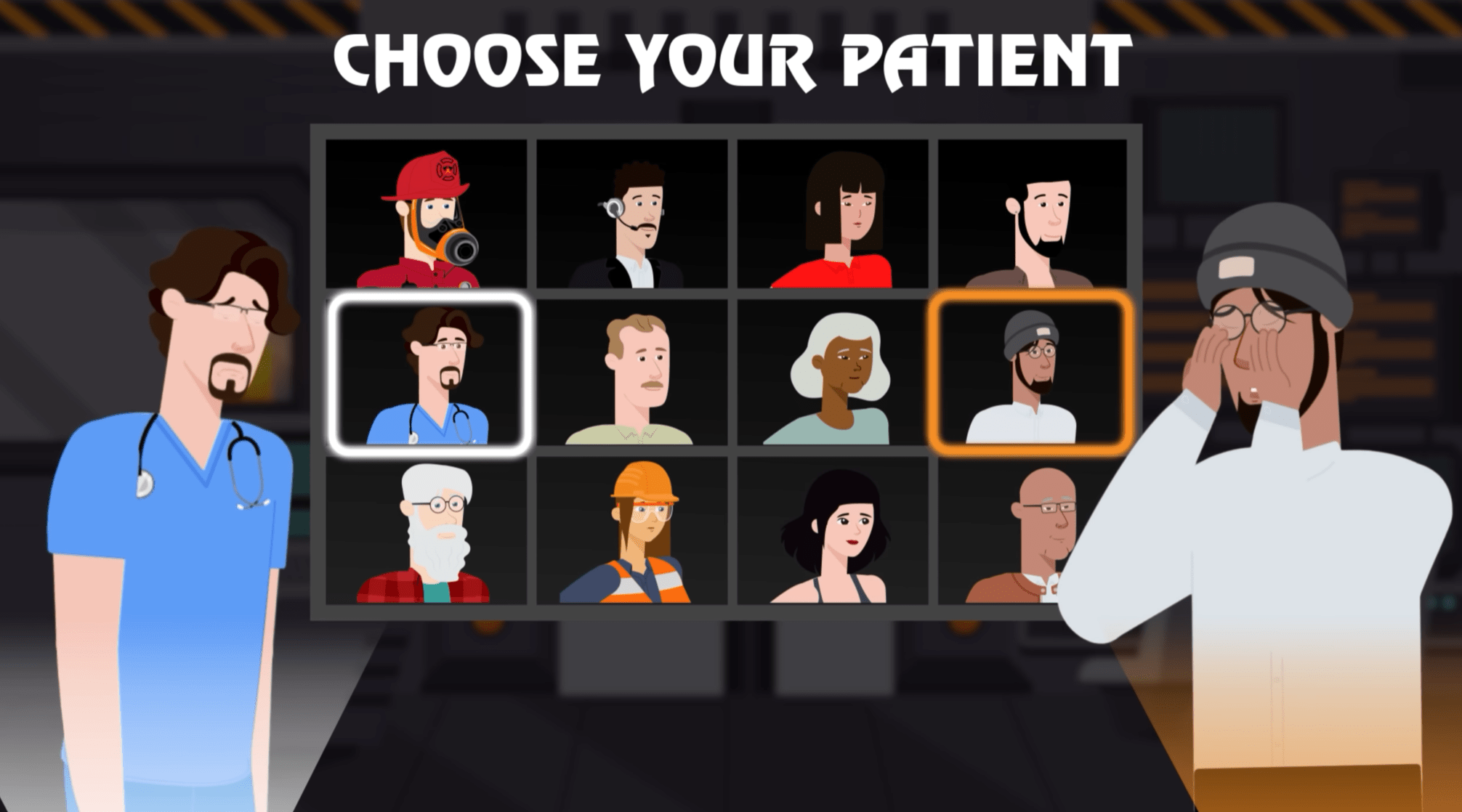
The doctors who struggle most are those who love the idea of helping people but can’t handle the messy reality of human nature. The ones who flourish understand that difficult patients often act out of fear, not malice.
The third sign is an insatiable thirst for knowledge, but not just any kind of learning.
They say half of what you learn in medical school will be proven as dead wrong or outdated within five years. The challenge? You don’t know which half.

If you’re someone who gets excited about new discoveries rather than overwhelmed by constant change, you’re wired for medicine.
And the training system is designed for that. Research publications are a huge contributing factor to success when applying to medical school, and this is even more pronounced when applying to residency. The average number of research publications, abstracts, and presentations required continues to skyrocket. Successful plastic surgery residency applicants went from 19.1 research items in 2020 to 34.7 in 2024. Neurosurgery jumped from 23.4 to 37.4 in the same period.
Research has become such a critical differentiator that it’s often the deciding factor between acceptance and rejection. What makes research particularly valuable is that it’s the only extracurricular that compounds throughout your entire career—publications from college follow you through medical school, residency, fellowship, and beyond.
The challenge is that most students approach research inefficiently, spending months with minimal output. After grinding it out the hard way in college and medical school, two of my colleagues and I were able to earn 60+ research items each. We used the lessons we learned along the way to create the Med School Insiders Ultimate Research Course.
Sign number four is that you find the science of medicine intrinsically fascinating, not just a means to an end.
This goes beyond tolerating your coursework. You should be genuinely curious about how the human body works, why diseases develop, and how treatments help. When you see a complex medical case, do you want to understand the underlying mechanisms?
The best doctors I know are those who read medical journals with enthusiasm when they see an opportunity to help their patients. They genuinely want to stay ahead of the curve and understand the latest science in their field.
We’re not going to sit here and say you should want to read medical journals just for fun. But they are a means to an end, and that process of wanting to learn more about medical subject matter is essential to becoming a doctor and being one who can serve their patients to the best of their ability.
We always tell the premeds we work with that you can find success getting into medical school with any major.
You could study film, computer science, or sociology, so long as you complete the prerequisites. However, only choose this path if you’re truly interested in these subjects, not just to stand out.
If you’re avoiding biological sciences because you dislike them, take time to consider whether medicine is right for you. These prerequisites represent the type of content you’ll study for years in medical school and encounter throughout your career.
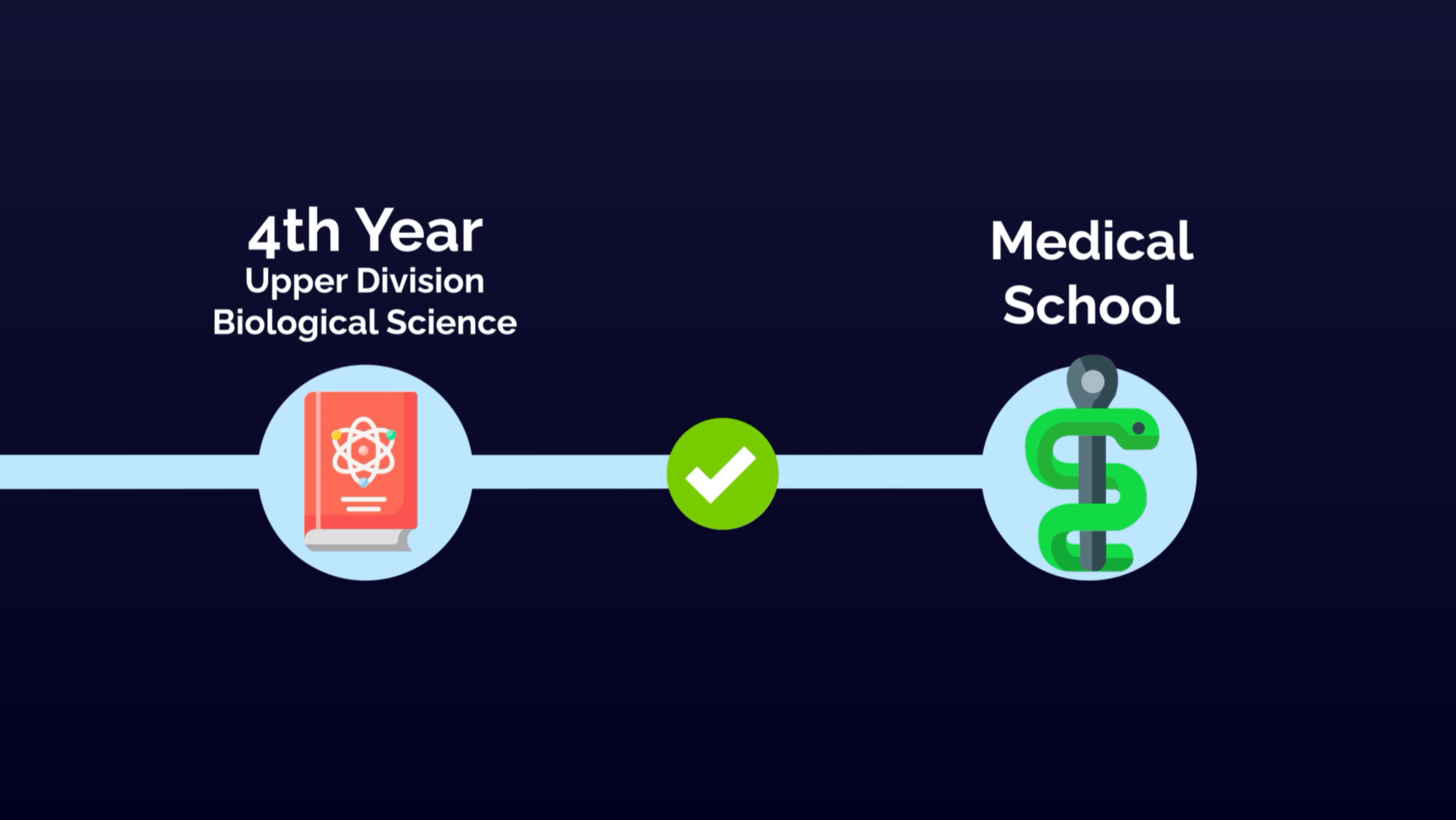
If scientific curiosity energizes you, you’ve identified something crucial.
Yes, there are certainly benefits to majoring in biological sciences—that’s why so many students choose to do so.
If you’re unsure which major to choose, we have a previous video covering the exact steps you need to take to determine the ideal premed major for you.
The fifth sign is that you’re genuinely comfortable with massive, long-term commitments across multiple dimensions of your life.
Let’s be brutally honest about what you’re signing up for. The financial commitment alone is staggering. The average medical school graduate finishes with $260,000 in student debt, and that debt starts accruing interest immediately.
The average resident salary is $67,400 while working 60-80 hour weeks. That often translates to $15-25 per hour, less than many retail workers earn. Meanwhile, your engineering friends are already making solid salaries with normal hours.

While gap years are becoming increasingly common in medical school, they’re not usually taken to explore the world or dive into a non-medical passion project. Sure, you may find time for some of your other passions, but it’s still all part of your larger commitment to becoming a doctor.
Residency is even more rigid—you can’t leave for a couple of years and casually come back. The Match system locks you into your program, and switching requires restarting the entire application process.
If the idea of committing the next decade of your life to something with very little flexibility makes you want to run for the hills, medicine is definitely not the right path for you.
The sixth sign is that you don’t cut corners.
Now we don’t mean “working smarter, not harder.” Using active study techniques and becoming more efficient at studying is exactly the kind of strategy that helps you succeed in medical school and can propel you to the top 1%.
When we talk about cutting corners, we mean last-minute cram sessions and all-nighters. We mean memorizing material without learning it.
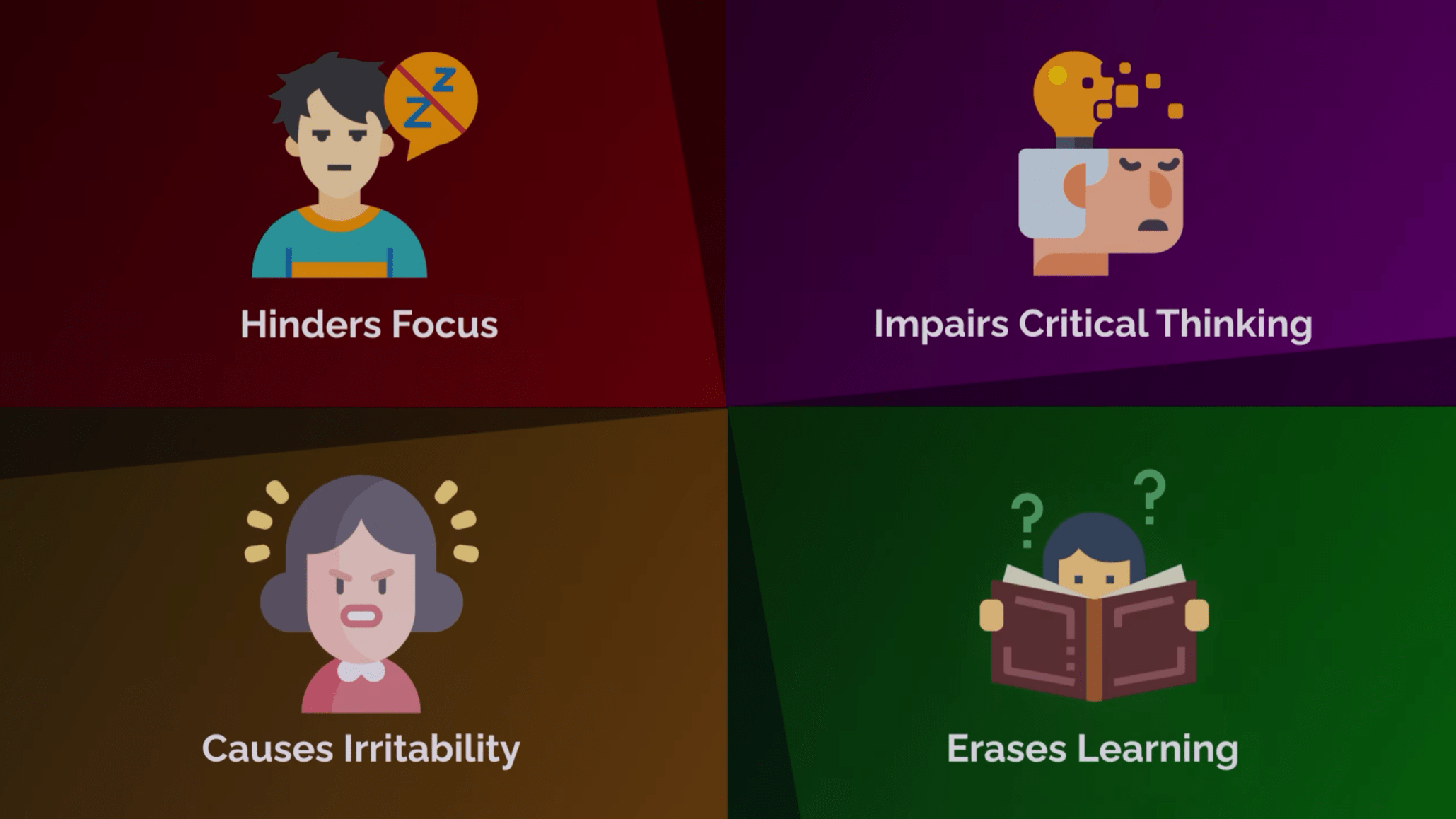
Cramming and all-nighters don’t allow you to compound your knowledge gains. Active recall, spaced repetition, and other evidence-based study methods are how you build real competence with medicine. Plus, sleep deprivation hinders your focus, impairs critical thinking, makes you irritable, and robs you of what you tried to learn the night before.
Knowledge takes time to build. The more you cut corners and don’t actually learn the material, the less you’ll understand as you progress in your training.
It’s a short-term game when learning is a lifelong commitment for doctors. Even if you don’t face immediate consequences, you’ll be the one who loses down the line. You won’t be able to keep up with the increasingly challenging exams that college and then medical school throw at you.
To a more extreme extent, if you cheat on your college courses or the MCAT, how are you going to pass your mammoth USMLE exams? If you manage to cheat on USMLE, there can be severe consequences. Just look at the Nepal USMLE cheating scandal, which we discussed in a previous video.
There’s always another test, another evaluation, another real-life moment when you’re expected to have foundational knowledge.
Eventually, what you don’t know will catch up with you. In your clinical rotations, attendings can pimp you at any moment. If you’re unfamiliar with “pimping,” it’s a slang term used in med school and residency to describe the rapid fire and on the spot questioning from supervising doctors on the wards.
Medicine has a way of revealing who you are under pressure. If you’ve built your path on shortcuts and gaming the system, that foundation will eventually crack.
The last and most important sign is that you want to become a doctor for your own reasons, not because of external pressure or expectations.
Family pressure is one of the biggest predictors of unhappiness in medicine.
I regularly hear from medical students and residents who feel trapped, having invested years and hundreds of thousands of dollars into a career they never actually wanted.

The journey is too long, too difficult, and too expensive to sustain solely on someone else’s motivation. If you’re not intrinsically driven to become a physician, there’s a good chance you won’t graduate with flying colors—if you graduate at all.
Here’s the crucial question: If your family had no opinion and if prestige weren’t a factor, would you still want to become a doctor?
If the answer is yes—if you can honestly say you’re drawn to medicine because of who you are, not who others want you to be—then you’ve identified the most critical predictor of long-term satisfaction.
The combination of these seven signs doesn’t guarantee you’ll love being a doctor, but they indicate you have the mindset and motivations that align with what the career actually demands.
So, do you think you have what it takes to become a doctor? The next step is determining what type of doctor you want to become. And let me tell you, there are major differences—from the high-intensity, big-money world of neurosurgery to the relationship-focused practice of family medicine—these aren’t just different jobs, they’re completely different lifestyles.
That’s where our So You Want to Be playlist comes in. Take a deep dive into over 50 possible medical career paths. Find your ideal doctor career right up here.

Should you apply to BS/MD programs? Four signs a guaranteed medical school seat may be the wrong move for you, from fear to family pressure.

How many publications do you need for residency? See 2026 research item averages by specialty and how they’ve changed since 2020.